

Get performance-driven campaigns optimized around real business outcomes — lower CPL, higher conversion rates, and measurable ROI.

Most teams landing here already know paid ads work. The real concern is whether that spend is efficient, predictable, and scalable.
Performance marketing focuses on outcomes that matter to the business — not surface-level metrics. When campaigns are structured around cost, conversion quality, and return, paid media stops being experimental and starts behaving like a growth system.

Relevant if you're looking to:
What We Optimize For:
This is how paid media stays profitable even when ad platforms get more expensive.
Performance doesn’t come from a single platform.
It comes from choosing the right channel for the right stage of intent — and making them work together.
We don’t run ads everywhere by default. Each channel is selected, structured, and scaled based on how your customers actually discover, evaluate, and convert.

Built for demand creation, retargeting, and scale when audiences are defined clearly.

Capture intent when users are actively searching, browsing, or comparing.
High-intent users actively looking for solutions are directed to conversion-focused pages, searching for the primary driver of bottom-funnel actions.
Paid social introduces the offer to new audiences, reinforces messaging, and re-engages users who initially interacted but didn’t convert.
YouTube and short-form video ads help explain value, demonstrate credibility, and keep your brand top of mind during longer decision cycles.
Strategic remarketing ensures interested users don’t disappear after a single visit, improving conversion rates and lowering overall acquisition costs.
"When these channels are aligned around the same goals, messaging, and measurement, performance becomes more predictable — and scaling becomes far less risky."
Running ads isn’t the hard part. Building a system that stays profitable as spending increases is.
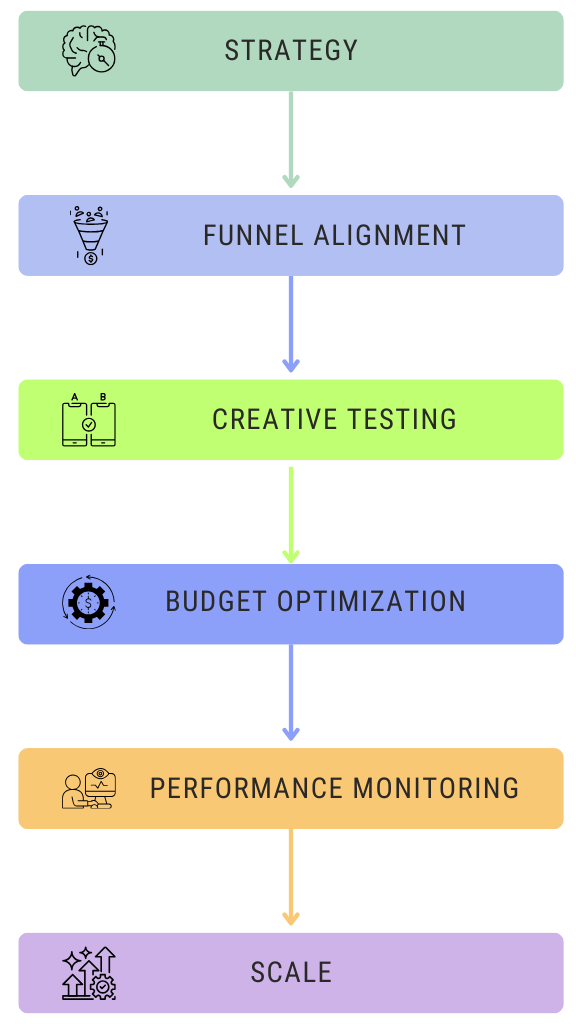
Every performance campaign is structured around one clear objective, supported by data, testing, and continuous refinement. No assumptions. No set-and-forget execution.
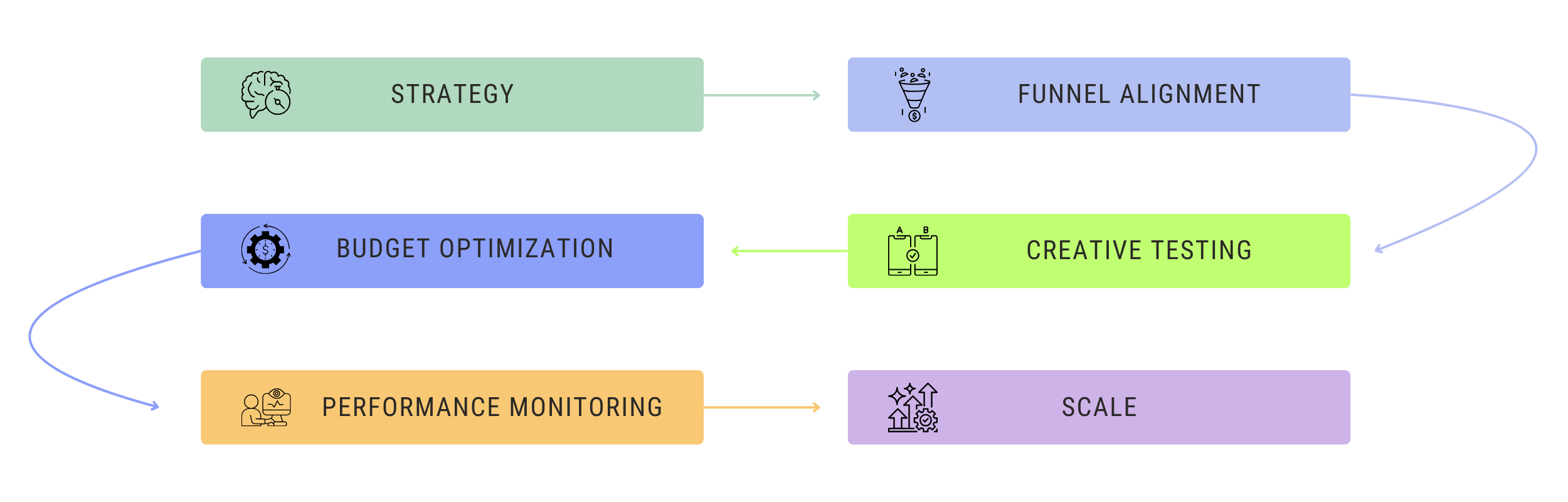
1. Strategy Before Spend
We define the business goal first — lead quality, sales volume, ROAS, or cost control — before allocating budget to any channel.
2. Funnel-Aligned Campaign Structure
Campaigns are mapped to intent levels, not platforms. Search, social, and video are assigned roles based on where the user is in the decision journey.
3. Creative and Audience Testing
We test audiences, formats, and messaging systematically to identify what actually converts — not what looks good in reports.
4. Budget & Bid Optimization
Spend is shifted toward what performs, pulled back from what doesn’t, and scaled only when unit economics make sense.
5. Performance Monitoring & Iteration
Campaigns are reviewed continuously to adapt to cost changes, competition, and audience behavior.
Performance marketing only works when measurement is tied to business reality.
We don’t track everything — we track what directly influences revenue, efficiency, and scalability.
Every metric we monitor answers a simple question: “Is this campaign moving the business forward, or just consuming budget?”
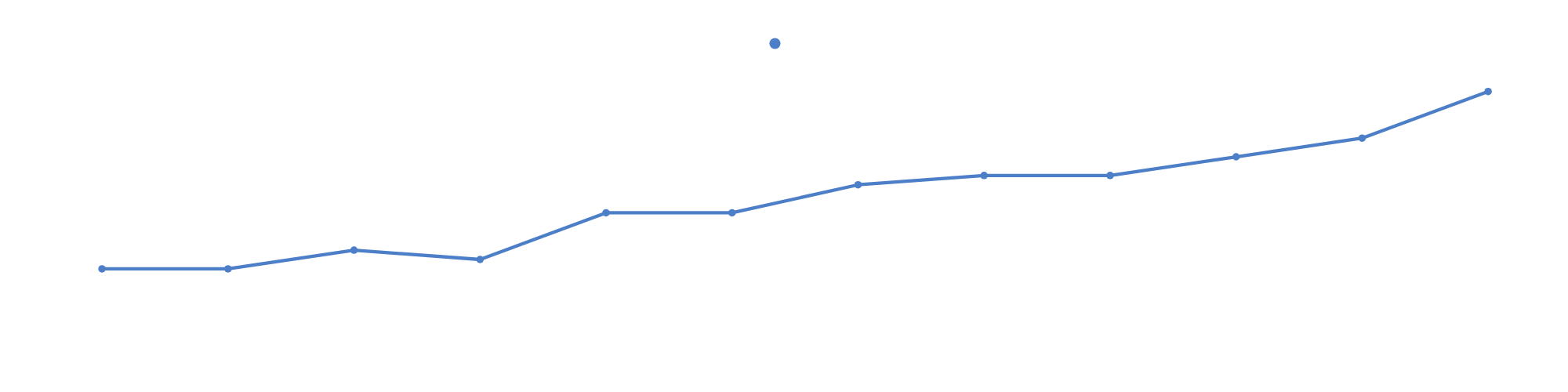
Tells us whether growth is sustainable or becoming expensive too fast.
Reveals relevance across targeting, messaging, and landing experience.
Connects paid media directly to revenue, not assumptions.
Shows where users lose intent and where optimization has the highest impact.
Performance marketing does not operate in isolation.
When paid media, organic visibility, content, and landing experiences are disconnected, efficiency drops and acquisition costs rise. The strongest results come when these elements are designed to support the same conversion journey.

Paid campaigns perform better when content educates, qualifies, and sets expectations before the click. Messaging consistency across ads and content reduces drop-offs and attracts higher-intent users.
By qualifying intent through educational content before the click, we ensure the traffic entering your funnel is already aligned with your value proposition.

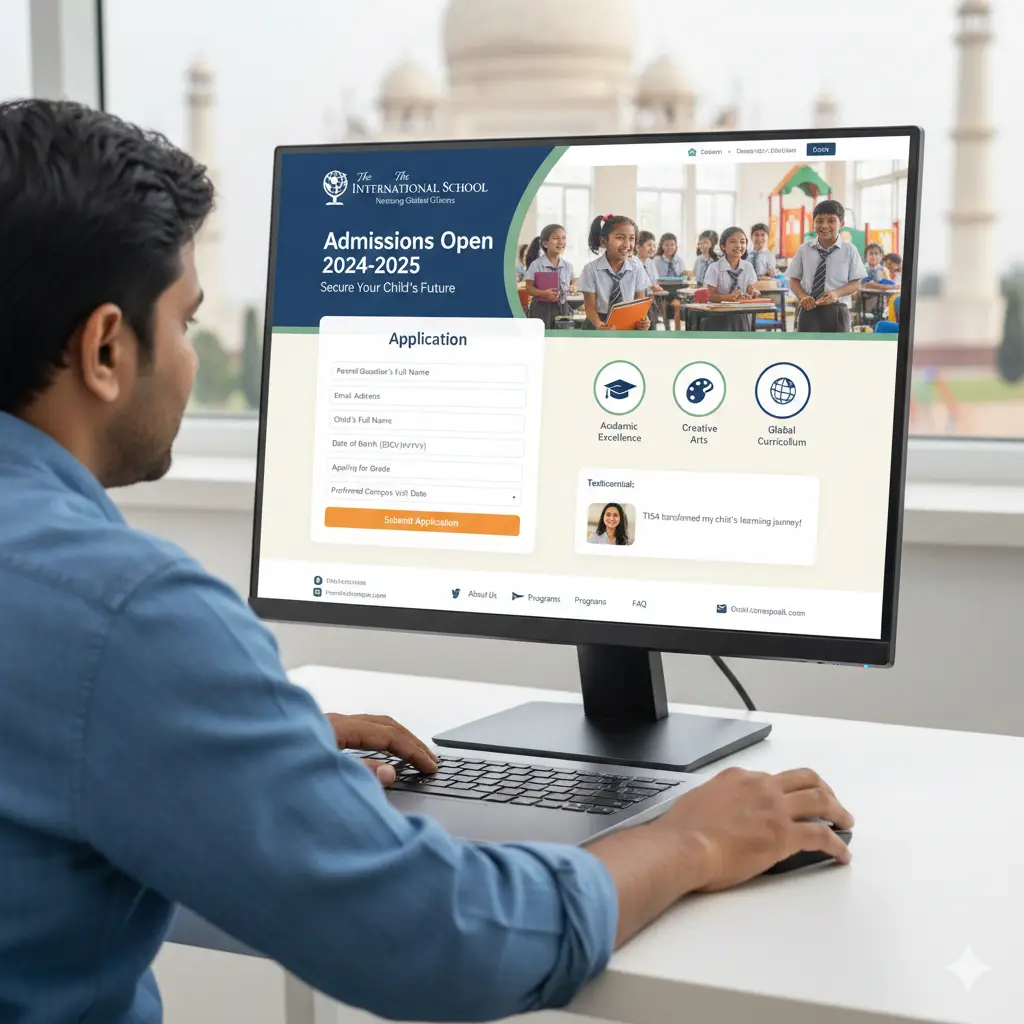
No campaign performs better than the page it sends traffic to. Landing pages are optimized for clarity, relevance, and conversion — ensuring paid traffic has a clear next step, not friction.
We align your paid media creative with focused, friction-free landing experiences that ensure every dollar spent has a clear and optimized path to conversion.
Paid campaigns accelerate reach while organic social builds familiarity and trust. Together, they improve engagement quality and reduce friction at the conversion stage.
Paid data reveals high-intent keywords and messaging that feed SEO strategy, while organic visibility strengthens brand trust and improves paid conversion rates over time.
Traffic quality means nothing without a clear conversion path. Landing page optimization ensures paid visitors take action instead of dropping off.
Content supports qualification before and after the click — aligning expectations, improving lead quality, and strengthening retargeting effectiveness.
High-quality visual assets improve attention, message clarity, and engagement across social, display, and video campaigns.
Ready to connect your growth channels into a single system?
These are the questions we’re usually asked by teams already running ads — and deciding whether to scale, fix, or restructure their performance efforts.
Initial signals usually appear within the first few weeks.
Meaningful optimization and stable performance typically take **60–90 days**, depending on budget, competition, and funnel readiness. We don’t rush scale before the data supports it.
No — and that’s important to say.
Performance marketing works best when there’s:
If those pieces are missing, we address them first instead of pushing spend.
There’s no universal number. Budgets depend on industry competition, target geography, and goals.
What matters more than spend size is whether the **unit economics make sense** at your starting level.
Channels are chosen based on **intent, audience behavior, and funnel stage**, not preferences.
Search, social, video, and remarketing are assigned roles based on where they can contribute most effectively.
Yes — when needed.
Performance suffers when ads, messaging, and landing pages are disconnected. We either optimize existing assets or work alongside content and design teams to close gaps.
Fully transparent.
You’ll see what’s working, what isn’t, and what’s being adjusted — without inflated metrics or selective reporting
We diagnose before we defend.
If data shows structural issues — offer, funnel, or market fit — we call it out early and adjust the strategy instead of burning budget.
If you’re already investing in ads, the next step isn’t more spend — it’s better control, clearer measurement, and smarter scaling.
This is a strategic conversation.
We review where performance is leaking, what’s realistically scalable, and whether performance marketing makes sense for your current stage.